Top Mobility Routines For Lower Back Pain: 10 Practical Moves You Can Start At Home Today
Lower Back Pain Mobility Routines: 10 Practical Home Moves
Low back pain is now the leading global cause of disability, and most cases are labeled “non-specific,” which means imaging often cannot point to a single clear cause. That can feel frustrating, but it also means many people see benefit from simple, consistent mobility routines that focus on movement quality, not complicated equipment. In this guide, we share practical, low-impact mobility ideas you can do at home, along with the supportive gear we use and trust, so you can build a routine that fits your life and your current comfort level.
Key Takeaways
| Question | Answer |
|---|---|
| 1. What is the best starting point for lower back mobility? | Gentle daily movement like walking, plus 5 to 10 minutes of floor-based mobility, is often an accessible and realistic starting point. Our approach at Fit Healthy Humans focuses on simple patterns you can repeat consistently. |
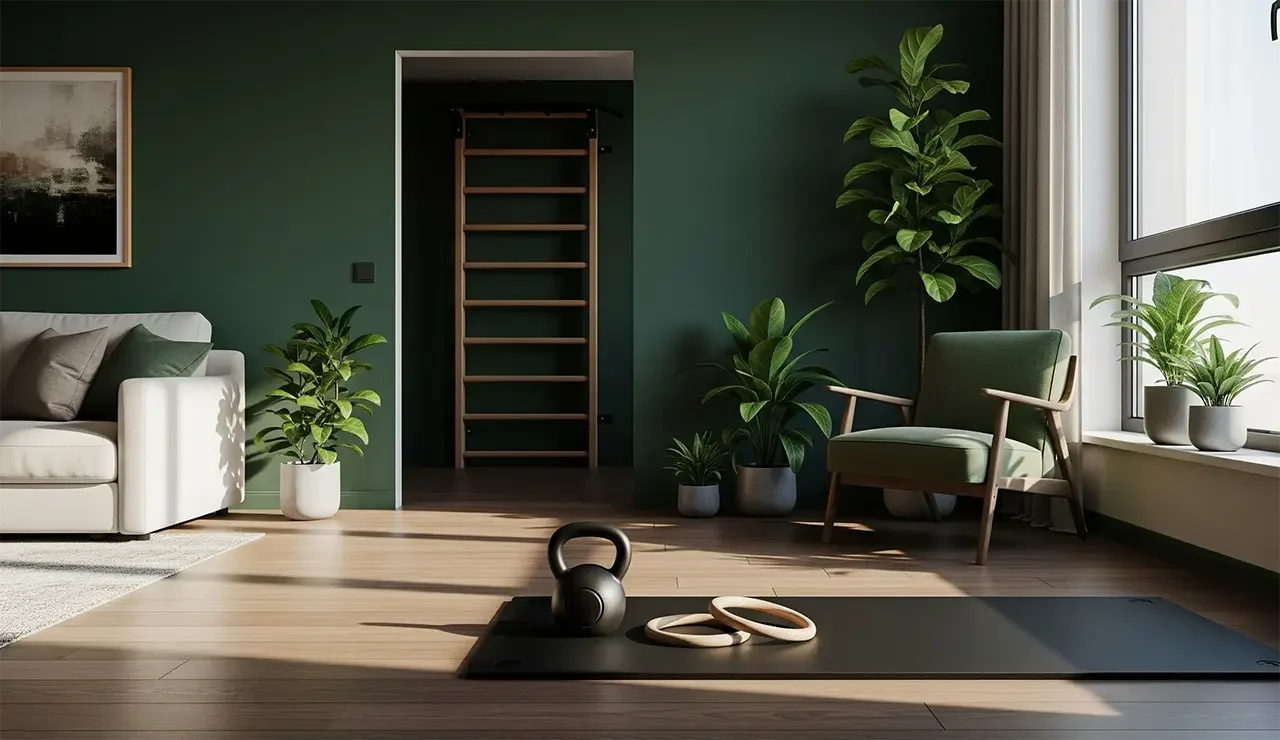
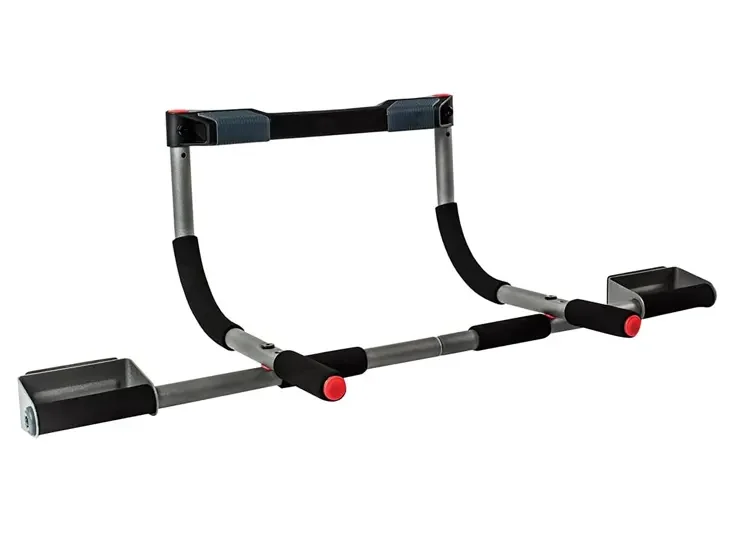
| 2. Can I work on mobility if I live in a small apartment? | Yes. A yoga mat, a single kettlebell, and a doorway anchor can support a full routine in a tight space. We walk through this style of setup in our small apartment gym essentials guide. |
| 3. How important is consistency compared with the “perfect” exercise? | Research suggests that higher adherence to any reasonable exercise plan tends to bring more meaningful improvements, so we design routines you can actually stick with week after week. |
| 4. Do I need a full gym for effective back mobility work? | No. A few durable pieces of gear, like those we highlight in our Fit Human Toolkit, can cover most lower back mobility and strength work in a small footprint. |
| 5. Can better footwear support my mobility routine? | Foot function influences how forces travel through your hips and spine. If you are curious about transitioning to more natural-feeling shoes over time, our detailed minimalist shoe guide for beginners explains how to do that gradually. |
| 6. Is it safe to start mobility work on my own? | Many people practice gentle mobility at home without issues, but if your pain is severe, persistent, or linked to a fall, accident, or other red-flag symptoms, we recommend speaking with a qualified health professional before starting or changing an exercise routine. |
1. Why Mobility Matters For Lower Back Pain Relief And Longevity
Our philosophy is simple: most backs like movement. Stiffness in the hips, ankles, or thoracic spine often shows up as extra load in the low back, so mobility routines aim to share that load more evenly across your whole body. Instead of chasing complicated stretches, we focus on a few key patterns you can revisit daily.
We also care about practical longevity. That means getting up from the floor, carrying groceries, walking without fear of “tweaking” your back, and playing with kids or grandkids. When we design routines, we look at how they map to those real-world tasks, then layer in supportive tools like mats and simple home-gym gear so your environment invites regular movement.
2. Daily Walking: The Most Underrated Mobility Routine For Your Lower Back
Before we get into floor exercises, we start with walking. Walking taps into natural spinal rotation, gentle hip extension, and rhythmic loading of the muscles that support your lower back. Even short bouts across the day can add up and may be easier to maintain than a long, formal workout.
One large analysis suggests that people who walk more than 100 minutes per day have about a 23 percent lower risk of developing chronic low back pain compared with those walking less than 78 minutes per day. You do not have to hit those numbers right away, but this gives a helpful direction: adding a few minutes at a time is worth it.
- Break walks into 5 to 10 minute “movement snacks.”
- Use comfortable, stable shoes and gradually adjust if you change footwear style.
- Pair walking with gentle arm swings to encourage natural trunk rotation.
3. Foundational Floor Routine: Pelvic Tilts, Knee Hugs, And Gentle Rotations
Once walking is part of your routine, a simple floor sequence can help your lower back feel more prepared for the day. We like to combine three basic moves: pelvic tilts, single-knee-to-chest holds, and gentle supine rotations, all performed slowly and without forcing end ranges.
Here is a sample entry-level circuit you can do on a firm but comfortable surface:
- Pelvic tilts, 8 to 12 slow reps, focusing on gently flattening and then releasing your low back against the floor.
- Single-knee-to-chest, 20 to 30 seconds per side, breathing steadily.
- Windshield wiper rotations, 8 to 10 side-to-side reps with both knees bent and feet on the floor.
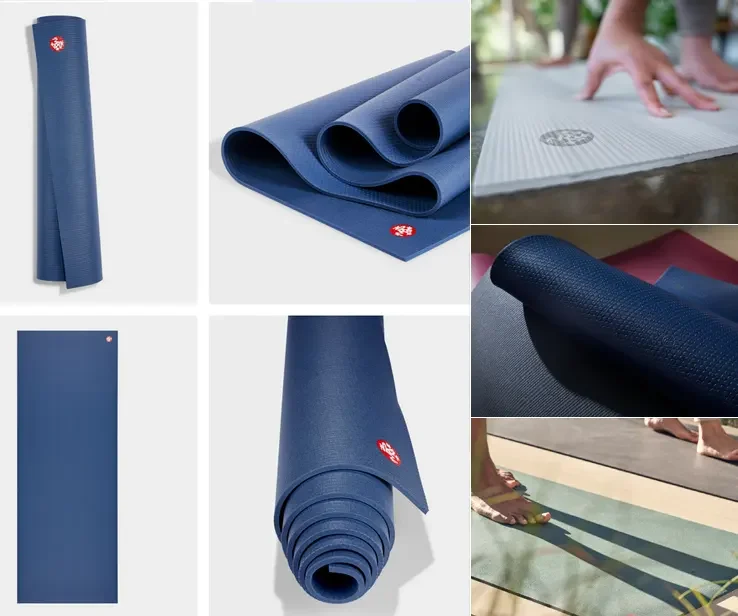
We recommend using a supportive mat for comfort and consistent practice. A dense mat also helps your hips and spine feel more stable compared with a soft mattress, which can encourage you to repeat these drills regularly.
4. Hip Hinge And Glute Activation: Kettlebell Prep For A Happier Lower Back
A strong hip hinge pattern helps your hips carry more load so your lower back does not have to do all the work when you pick things up from the floor. Even if you never touch a heavy weight, practicing the pattern builds awareness and confidence. We often teach a dowel or wall-supported hinge first, then gradually add a light kettlebell as comfort improves.
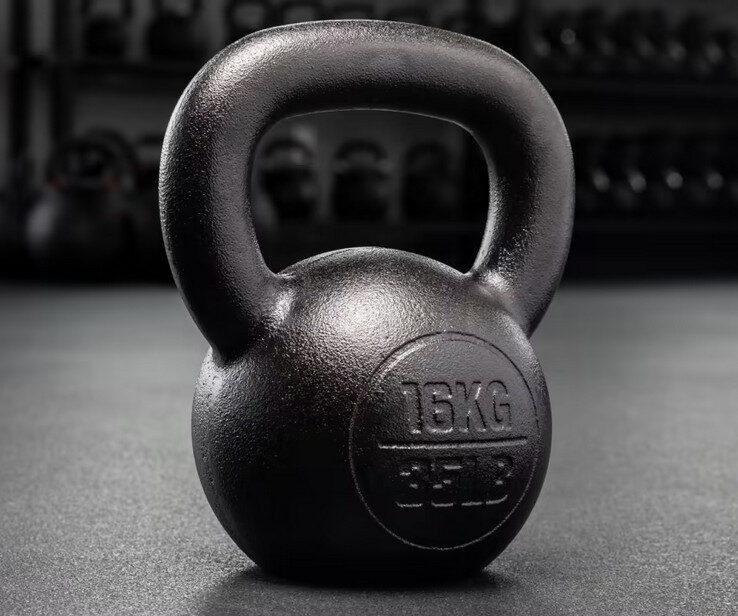
In a small home setup, a single kettlebell can support deadlift variations, hip hinges, and suitcase carries that challenge your hips and trunk without long workouts. Our toolkit prioritizes durable bells like the Rogue E-Coat Kettlebell, which we have used heavily without issues, but any stable bell in the 8 to 16 kg range can work as a starting point for many adults.
| Exercise | Focus | Suggested Volume |
|---|---|---|
| Wall hip hinge | Patterning glute-driven bending | 2 sets of 8 to 10 reps |
| Bodyweight good morning | Hamstring and hip loading | 2 sets of 8 to 10 reps |
| Light kettlebell deadlift | Posterior chain strength | 2 to 3 sets of 6 to 8 reps |
5. Gentle Yoga-Inspired Sequences For Low Back Mobility
Yoga-inspired mobility routines can combine stretching, breathing, and light strength in one session. Research on yoga for chronic low back issues reports meaningful reductions in discomfort and improved function, especially when sessions are short and done several times per week. We like to start with low-load positions that feel stable and work through comfortable ranges only.
A beginner-friendly flow might include cat-cow on hands and knees, child’s pose with side reaches, and a supported low lunge with the back knee on a padded mat. The goal is not to force flexibility, but to explore motion with relaxed breathing. Many people also notice that this style of practice helps them unwind at the end of the day, which can support overall comfort and sleep quality.
6. Suspension Trainer Routines: Core-Friendly Mobility In A Small Space
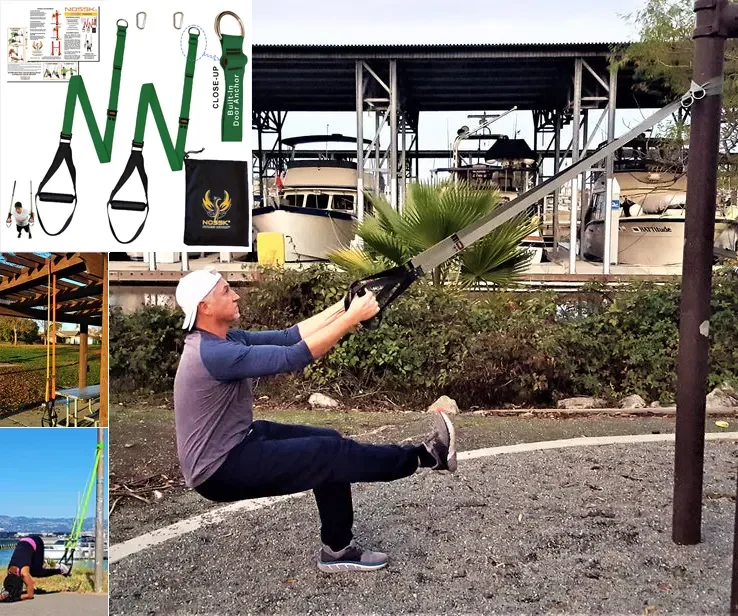
NOSSK Twin Pro Suspension Trainer For Spine-Friendly Movement
If you have a sturdy door, a suspension trainer can open up a full catalog of spine-friendly exercises in very little space. We like tools such as the NOSSK Twin Pro Suspension Trainer for rows, hip hinges, and supported squats that let you adjust difficulty within a small range of motion.
For lower back mobility, we often use the trainer for supported hip hinge drills, standing thoracic rotations (holding the straps as a reference), and gentle rear-foot-supported split squats that encourage hip extension. You control your body angle and range, so you can keep the load light while exploring motion in your hips and mid-back, which often reduces the feeling of stiffness in your lumbar area.
7. Footwear, Foot Health, And Their Impact On Lower Back Mechanics
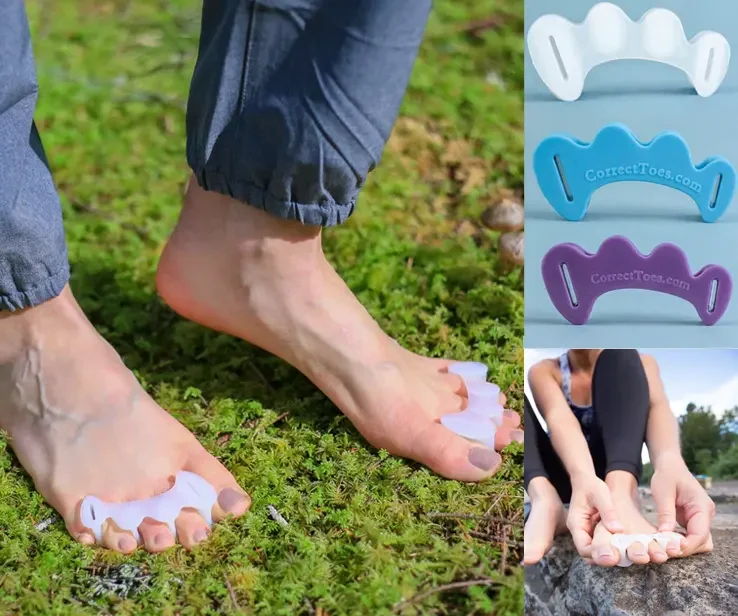
Many people do not connect their shoes with their lower back, but we pay close attention to this link. Restrictive shoes with narrow toe boxes or stiff soles can change the way you walk, which can shift how forces travel through your knees, hips, and spine over time. More natural-feeling footwear can encourage better foot splay and balance, which may support more relaxed walking mechanics for some people.
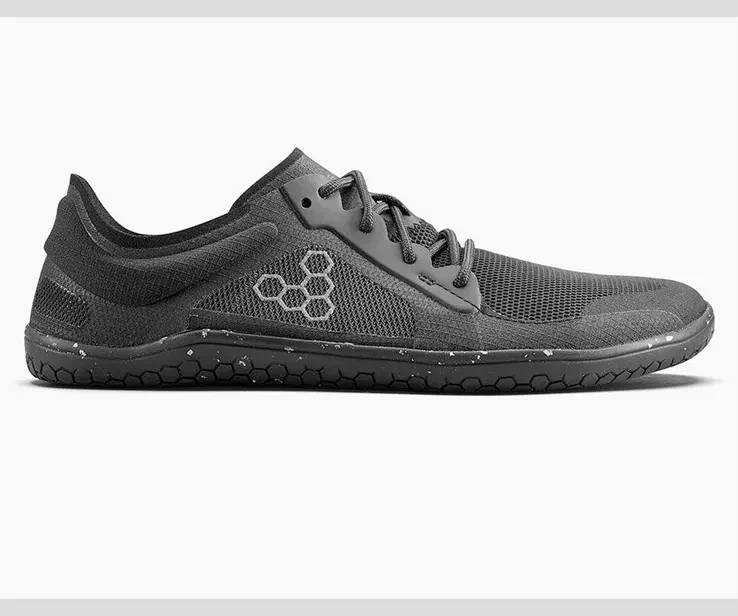
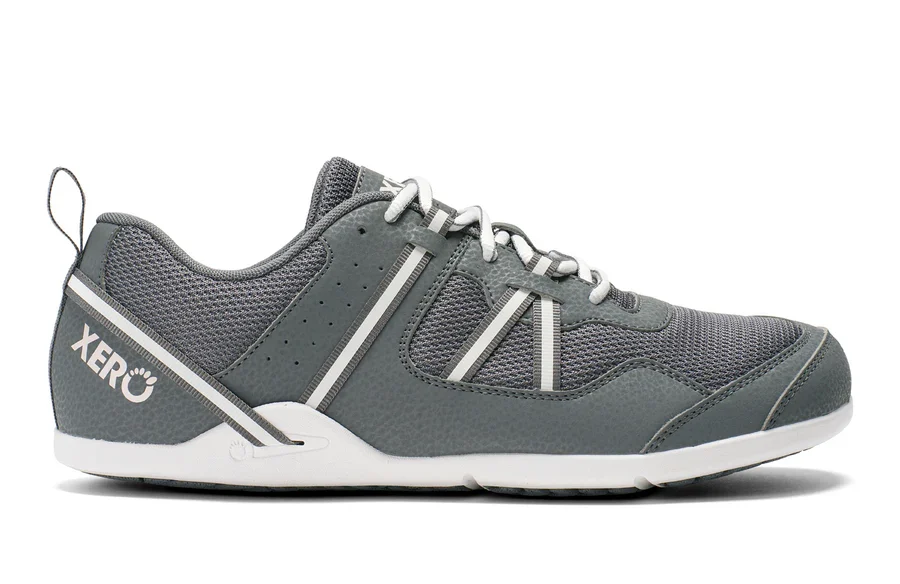
If you are interested in minimalist or low-drop shoes, we strongly suggest a gradual approach. A sudden jump from highly cushioned, high-drop shoes to very thin soles can feel demanding on your calves and plantar tissues. We test models like the Vivobarefoot Primus Lite III (often around $160), Xero Shoes Prio (about $89), and Lems Primal 3 (around $125) for general movement and gym use, then pair them with progressive loading so your body has time to adapt.
8. Recovery Tools: When To Use Massage Devices And Back Wheels
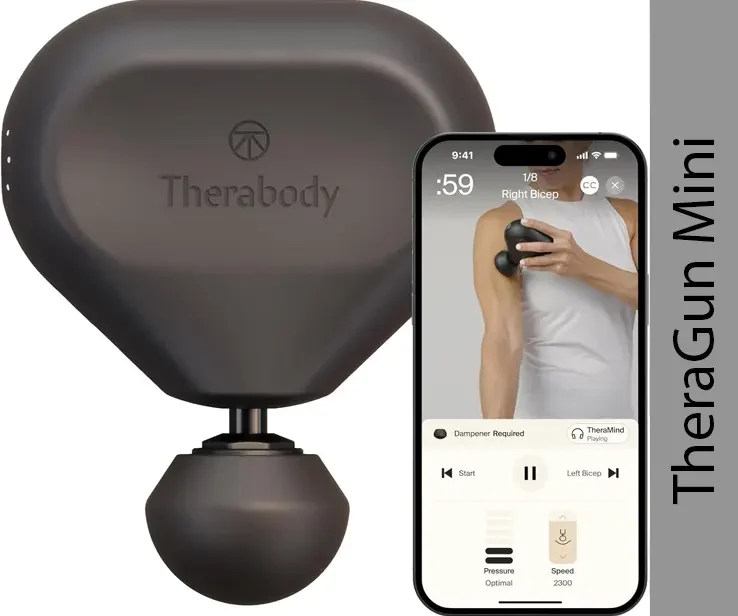
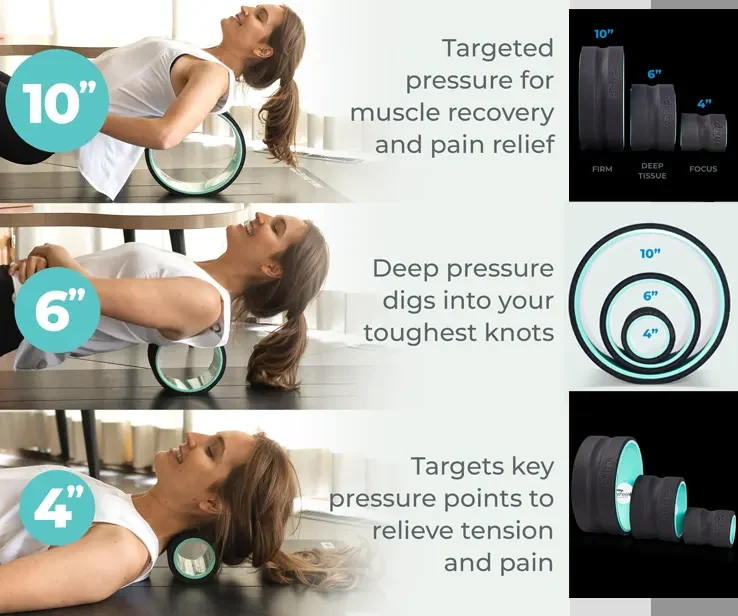
Theragun Mini And Chirp Wheel For Tension Relief
Mobility work is about movement, but many people also appreciate tools that help them relax tight muscles around the lower back and hips. In our own training, we occasionally use devices like the Theragun Mini to loosen up glutes or hip rotators before a mobility session, and the Chirp Wheel to provide gentle pressure along the thoracic spine. These tools are not required, but they can make it easier to move when muscles feel guarded.
We treat them as accessories, not solutions on their own. A brief session, for example 30 to 90 seconds per muscle group, followed by walking or light mobility drills, often feels more useful than long, aggressive sessions. Pricing varies by retailer, but both tools are positioned as mid-range investments in our Fit Human Toolkit because of their durability and portability.
9. Sleep, Recovery, And Their Role In Back-Friendly Mobility
How you recover at night can influence how your back feels when you wake up and how ready you are for mobility work the next day. Irregular sleep, excessive late-night screen light, and short sleep durations can all leave you feeling more sensitive to ordinary movement. That is why we pair physical routines with simple sleep-friendly habits.
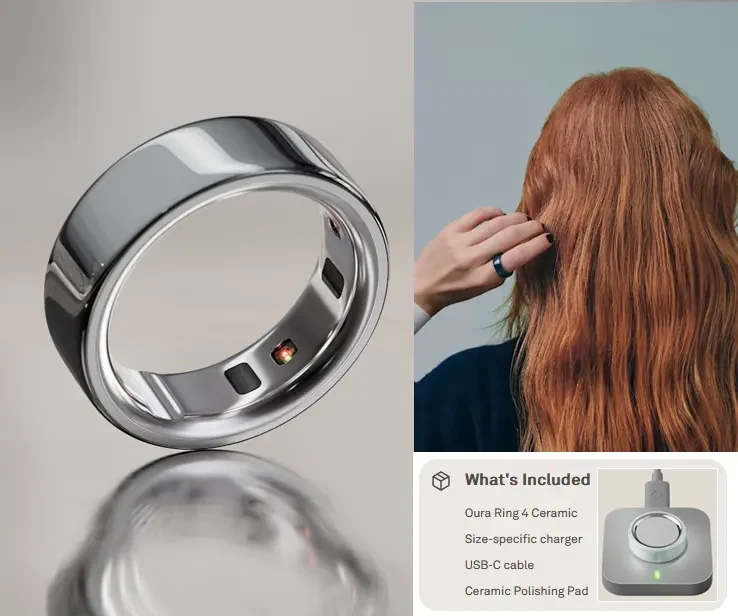
We focus on winding down screens, dimming indoor lights in the evening, and keeping a consistent bedtime and wake time where possible. For some people, blue-light-blocking glasses or blackout masks, like RA Optics lenses or a Manta Sleep Mask, feel helpful in creating a darker, calmer environment. Some also like tracking sleep and daily readiness with wearable devices such as the Oura Ring, not as a verdict on their health, but as a nudge toward steadier routines.

10. Building Your Own 10–15 Minute Mobility Routine For Lower Back Pain
Putting this all together, we like to keep routines short and repeatable, especially at the beginning. A simple 10 to 15 minute session might combine walking, floor mobility, and light strength work. Over time, you can add sets or slightly progress the intensity, as long as your back tolerates the change comfortably.
Sample 15-minute back-friendly mobility routine:
- 3 to 5 minutes of relaxed walking around your home or outside
- 5 minutes of floor work: pelvic tilts, knee hugs, and gentle rotations
- 5 minutes of hip hinge patterning and supported squats, using bodyweight or a light kettlebell
Most importantly, give yourself permission to keep it simple. Research on chronic back issues repeatedly points toward consistency as a key factor in improvement, so our goal is to help you find a routine that feels safe, doable, and easy to weave into your day, rather than perfect on paper but impossible to maintain.
Conclusion
Lower back pain affects hundreds of millions of people worldwide, but that does not mean you are powerless. Thoughtful mobility routines that include walking, gentle floor work, hip strengthening, and smart use of simple gear can help you feel more capable and confident in everyday life. Our focus is on realistic habits you can sustain, not quick fixes.
If you are dealing with significant or changing symptoms, we encourage you to speak with a qualified health professional who can help you tailor these ideas to your situation. From there, you can use the tools and routines in this guide as a framework, adjusting pace and intensity based on your own response. We are here to support you in building a movement practice that respects your body today and supports the active life you want over the long term.